
Economic development can feel abstract—until it touches your life.
It appears quietly, often without announcement. A stronger internet connection reaches a rural home. A teenager discovers engineering through a summer robotics program. A small business gets the support it needs to expand instead of closing. A regional medical center rises from a field outside Easton.
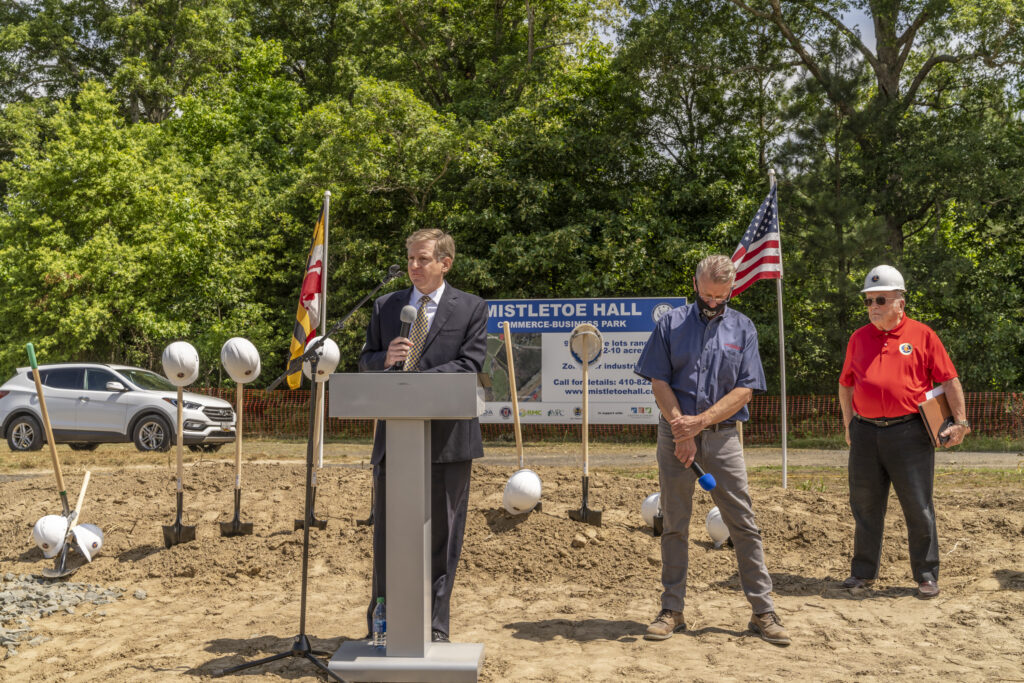
Somewhere behind each of those things, there is usually a strategy, a partnership, a grant application, and a long meeting around a conference table.
For more than 20 years, Scott Warner has helped lead those conversations.
Warner serves as executive director of the Mid-Shore Regional Council, a federally recognized Economic Development District that works across Caroline, Dorchester, and Talbot counties. Most residents have never heard of it. That does not bother him much.
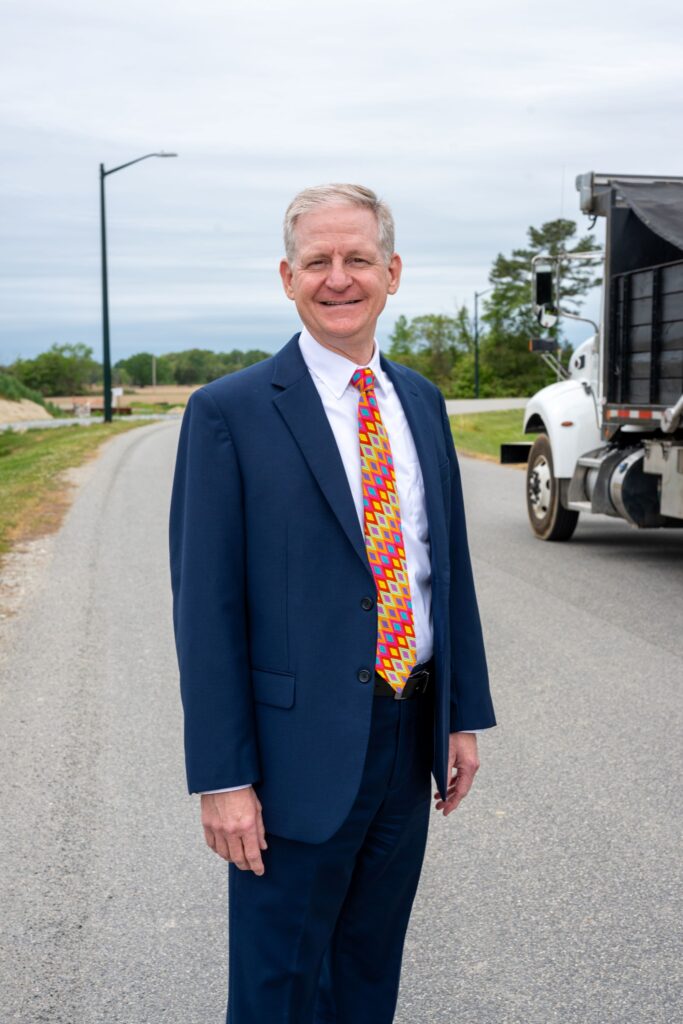
“If the work is done right, people usually don’t see it,” Warner says with a laugh. “I’ve been doing this 20 years, and I think my wife and kids are finally starting to understand what dad does.”
The Mid-Shore Regional Council exists to help rural communities compete for resources they often cannot access alone. Because the organization represents the region collectively, it can attract federal funding through the U.S. Economic Development Administration and help move large-scale projects forward.
That work can sound technical until you start tracing the results.
The Mid-Shore Regional Council’s work can be seen across the region. The organization helped support the Maryland Broadband Cooperative, which built the fiber optic backbone stretching across the Eastern Shore. It helped create the Eastern Shore Entrepreneurship Center, which eventually supported the growth of F3 Tech and Easton’s emerging bio-manufacturing industry.
The Council has also played a role in infrastructure and planning efforts surrounding the new Regional Medical Center while supporting workforce programs that introduce middle school students to robotics, drones, engineering, and coding.
Warner grew up on the Mid-Shore and understands the region in the practical way locals often do. People may argue about county lines in government meetings, but residents cross them every day for work, healthcare, shopping, and opportunity.
“People don’t see boundaries,” Warner explains. “They go from where they live to where they’re employed and back.”
That understanding shaped Warner’s approach to leadership. He talks less about control and more about collaboration. “My approach has always been collaboration,” he says. “It’s all the talent we can get around a table.”
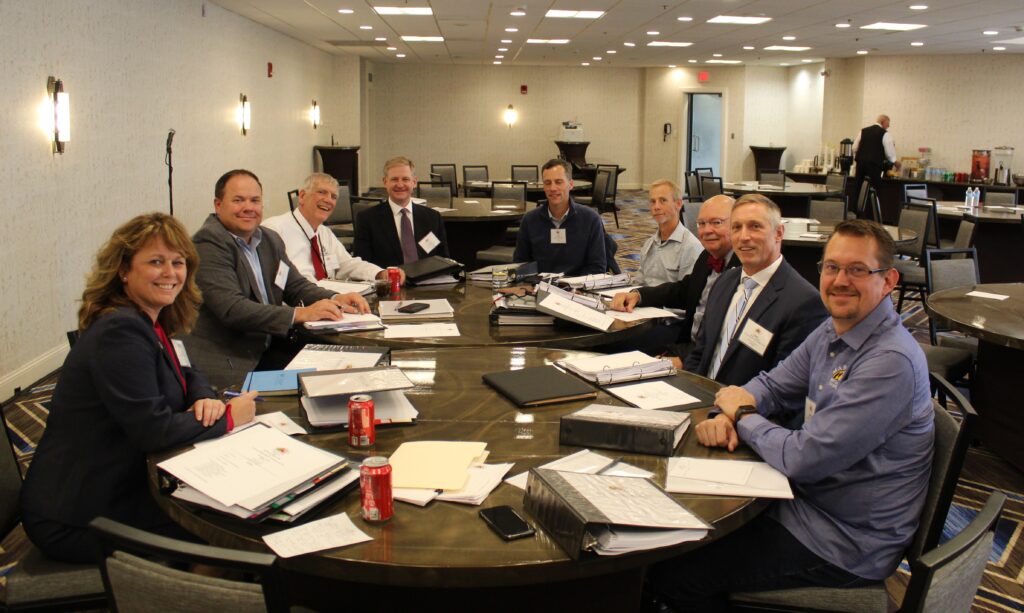
The Mid-Shore Regional Council brings together elected officials, business leaders, educators, planners, and economic development professionals to identify projects that matter to the region and position them for funding. Warner often describes the organization as a catalyst rather than a driver.
“We’re here to help,” Warner says. “We’re not here to dictate.”
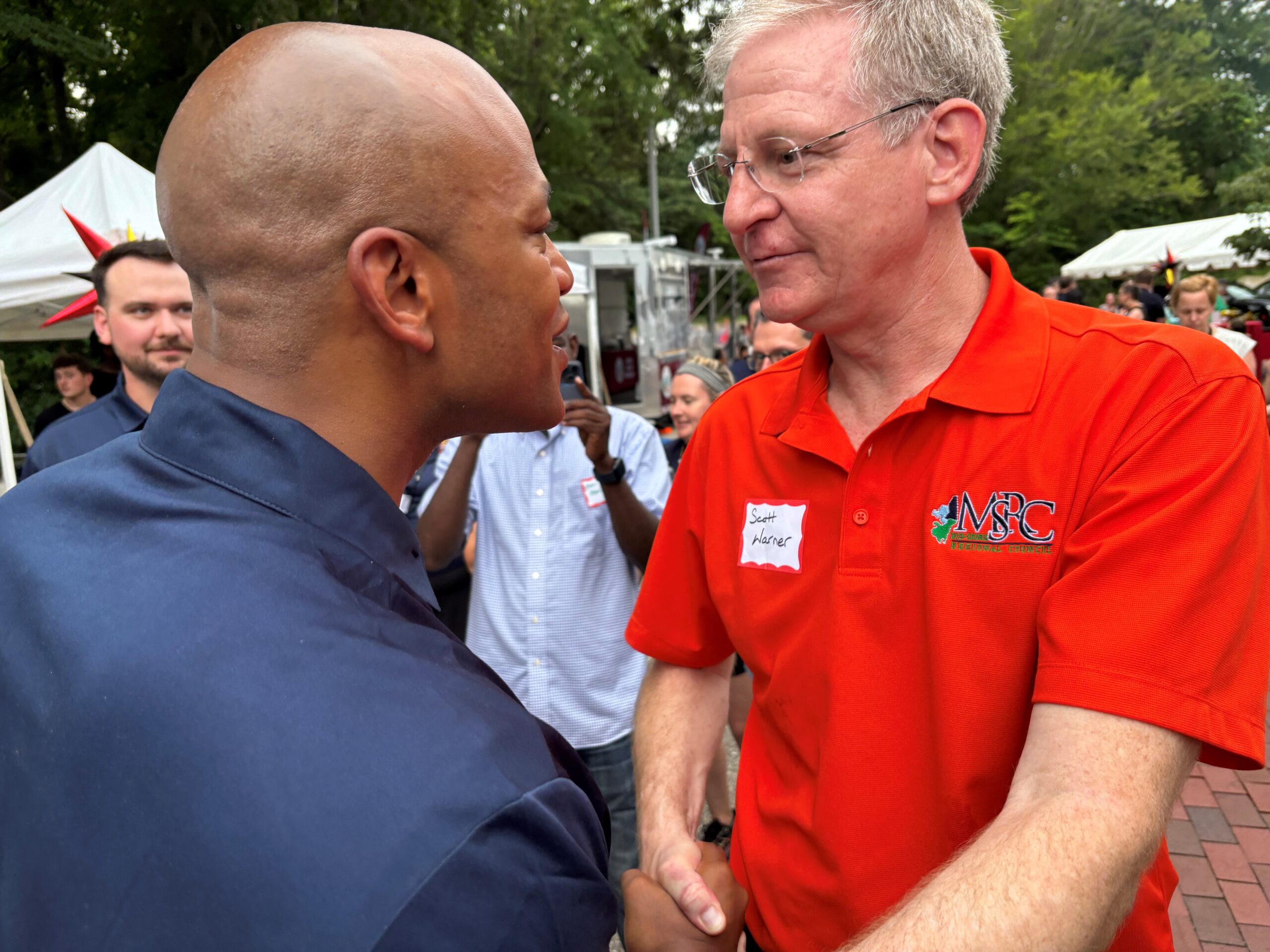
That philosophy became especially visible when the Mid-Shore Regional Council received a $10 million Rural Maryland Economic Development Fund investment from the State of Maryland several years ago. The funding was divided equally among Caroline, Dorchester, and Talbot counties, supporting 28 projects across the region.
Talbot County alone completed 14 projects, ranging from tourism and infrastructure improvements to investments that helped launch a bio-manufacturing facility in Easton.
“Government is often the catalyst, especially for projects that normally would not get investment in rural areas,” Warner says.
He speaks about economic development with the patience of someone who has spent decades explaining a profession most people only notice when something changes around them.
“Often people just don’t realize the scope of economic development,” Warner says. “Economic development is everything from supporting our agriculture businesses and farms to the small businesses that employ five or ten people. Tourism is economic development. Often people don’t see that either.”
But Warner sees it everywhere. And after two decades, he still sounds energized by what comes next.
“I’m probably more excited now to come to work than I’ve ever been,” Warner says.
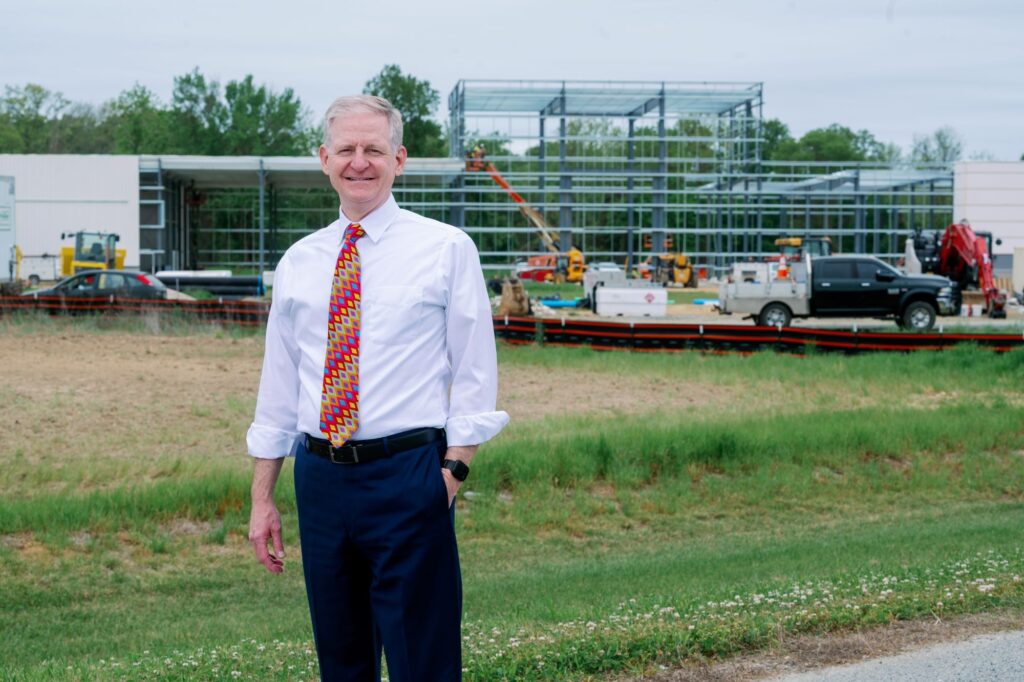
Part of that excitement comes from perspective. Twenty years is long enough to watch ideas become infrastructure and partnerships become industries. “There’s been so many successes over the years,” he says. “Communities are building on those wins.”
Then he pauses for a moment before adding something that may explain both his work and the Mid-Shore itself better than any strategic plan ever could.
“People’s vision can now see a little bit further.”
About Talbot County Department of Economic Development and Tourism
The Talbot County Department of Economic Development and Tourism’s mission is to enhance and promote a business-friendly environment for current and prospective enterprises and to advocate for policies that support and strengthen the economic vitality of Talbot County. The department’s vision for Talbot County is built on the principles of strong communities, empowered businesses, and innovative solutions.
Never Miss Talbot County Business News:
Subscribe to the Talbot Works newsletter here.
Wait! Before You Go!
Don’t forget to Explore Talbot County with us here.