High School Career and Technical Education Grows Up
February is National Career and Technology Education Month
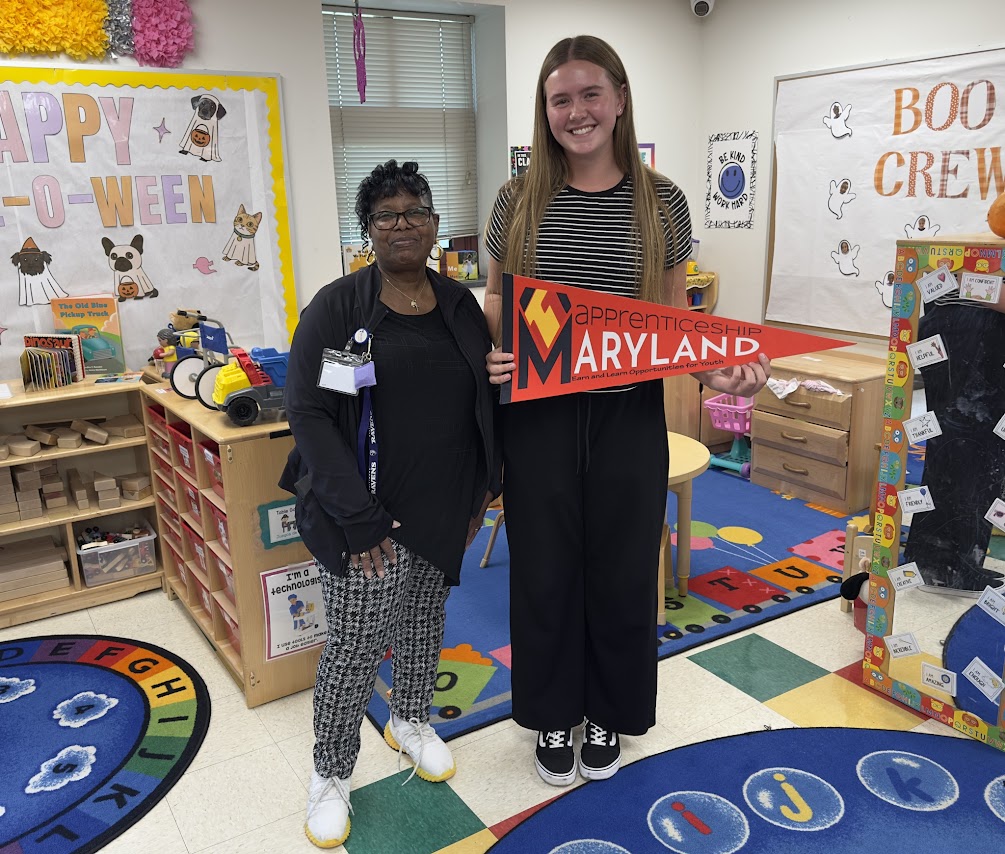
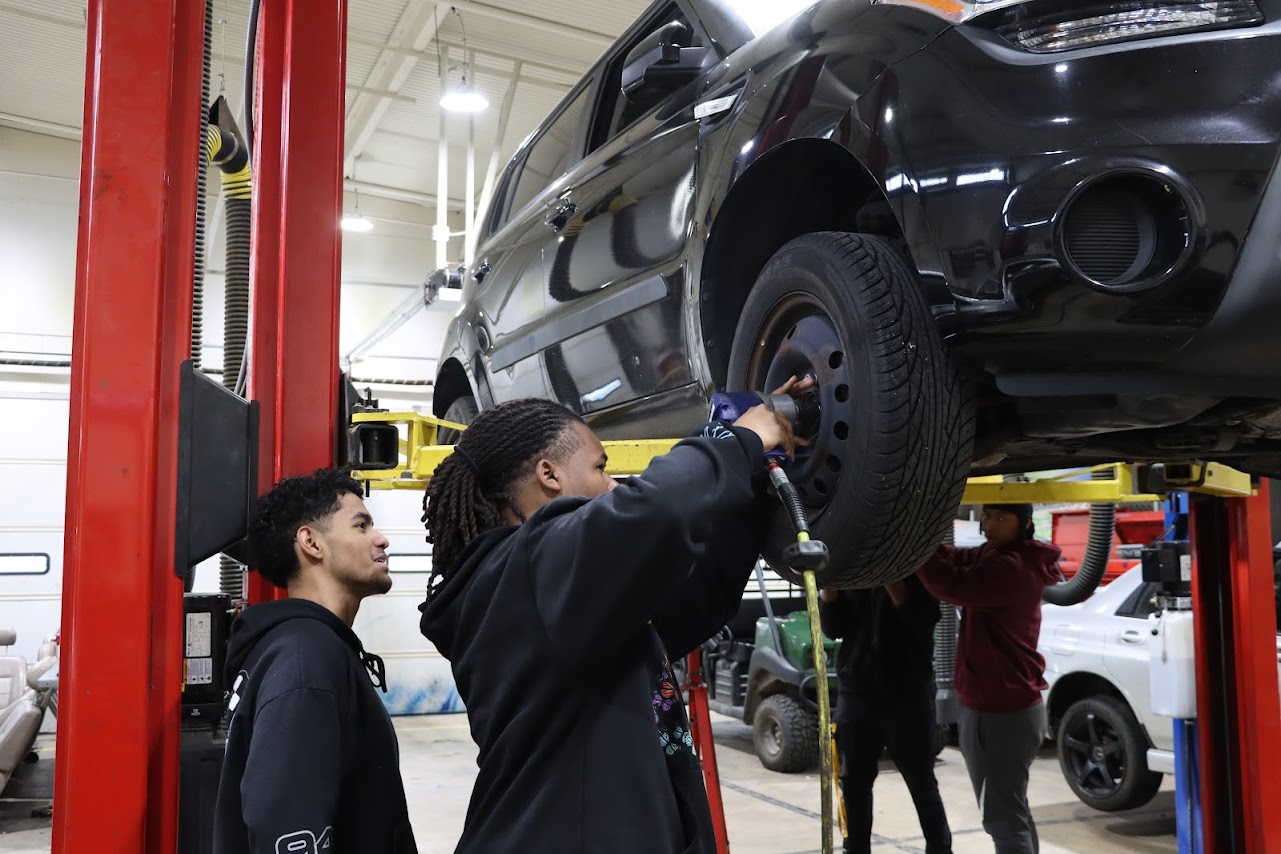
Photo Courtesy Talbot County Public Schools
Career and Technical Education has outgrown its old reputation.
What’s emerged instead in Talbot County’s public school system is something far more modern and far more useful—a system designed for exploration, skill-building, and informed choice for students entering a world where careers are anything but linear. CTE has become a front-and-center strategy for helping young people figure out who they are, what they’re good at, and how the world of work actually functions.
“People used to call it vo-tech,”says Dr. Carolanne Burkhardt, supervisor for Career and Technical Education at Talbot County Public Schools. “It was viewed as a career pathway for students who weren’t college bound. That’s just not what it is anymore.”
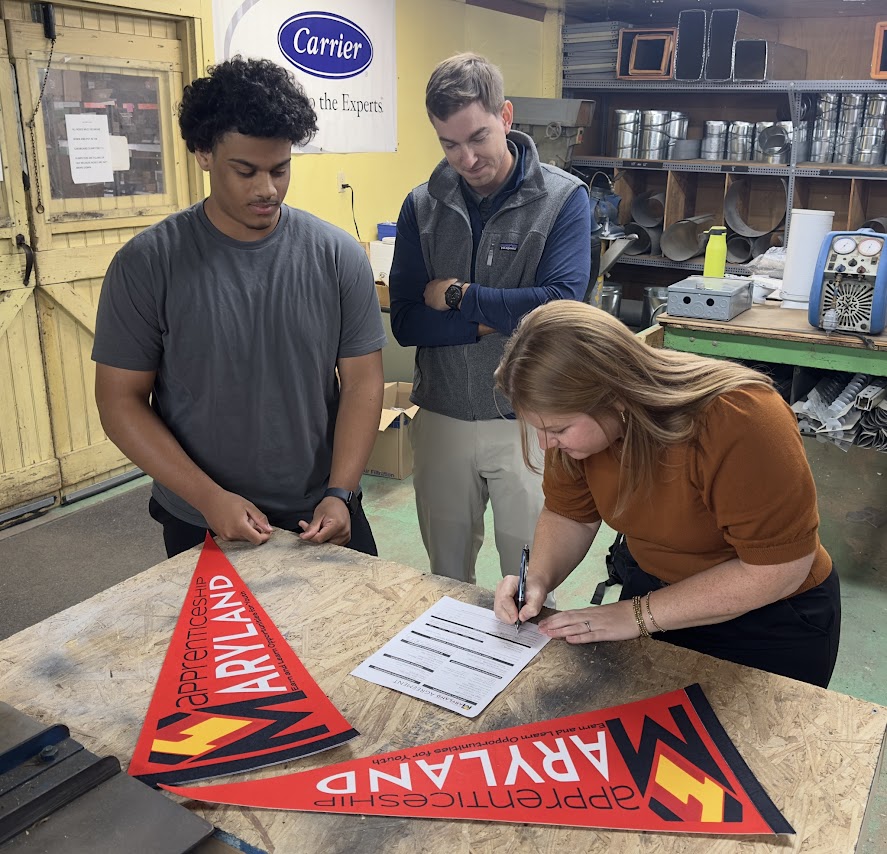
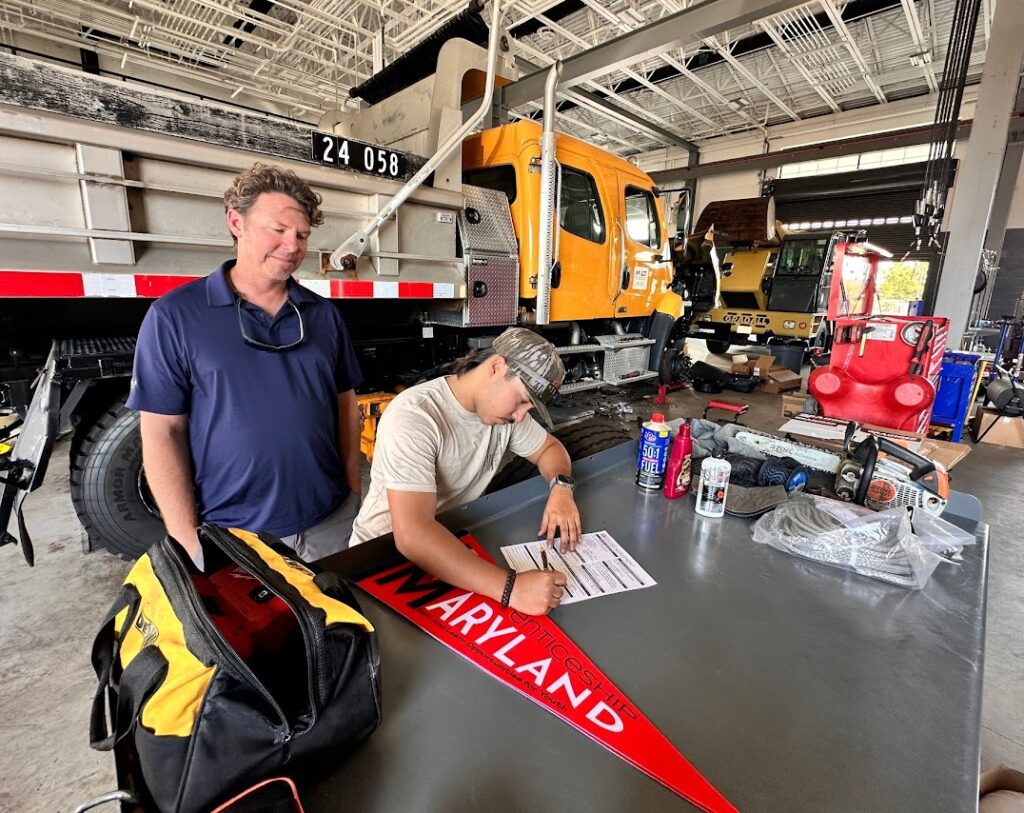
Photo Courtesy Talbot County Public Schools
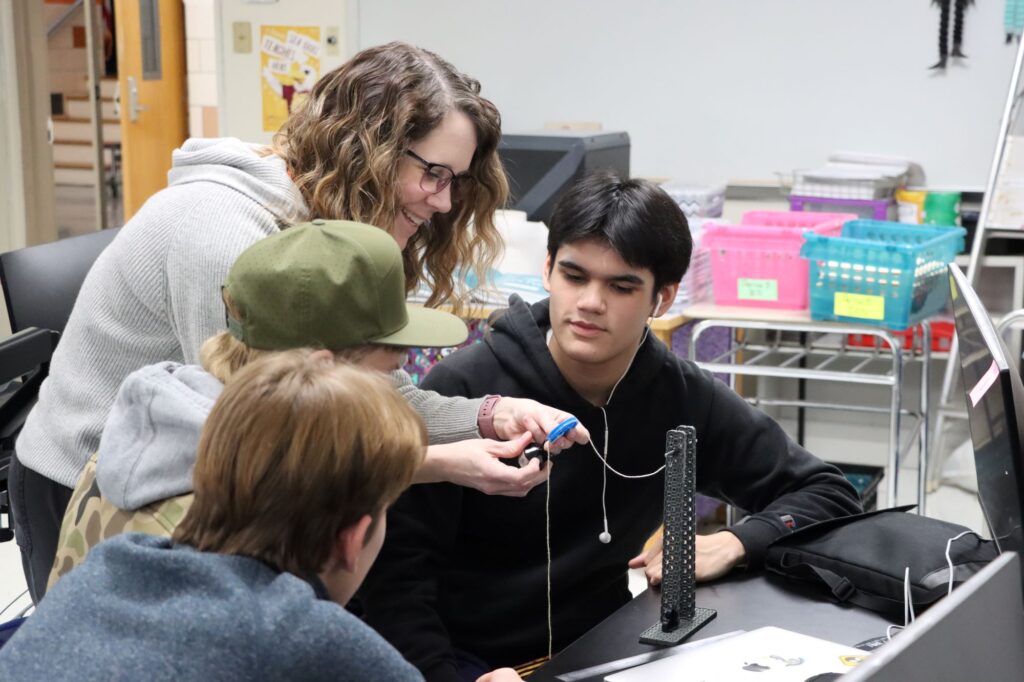
That shift is reflected not just in philosophy, but in how CTE is built into the school day. In Talbot County, CTE is woven into the comprehensive high school model, a design choice that shapes everything from access to outcomes. Students don’t have to commit early. They are encouraged to explore.
“They can dabble,” Dr. Burkhardt says—intentionally. “They don’t have to commit to a pathway. They can take a course and see if it’s for them. There’s no negative to trying something out and switching.”
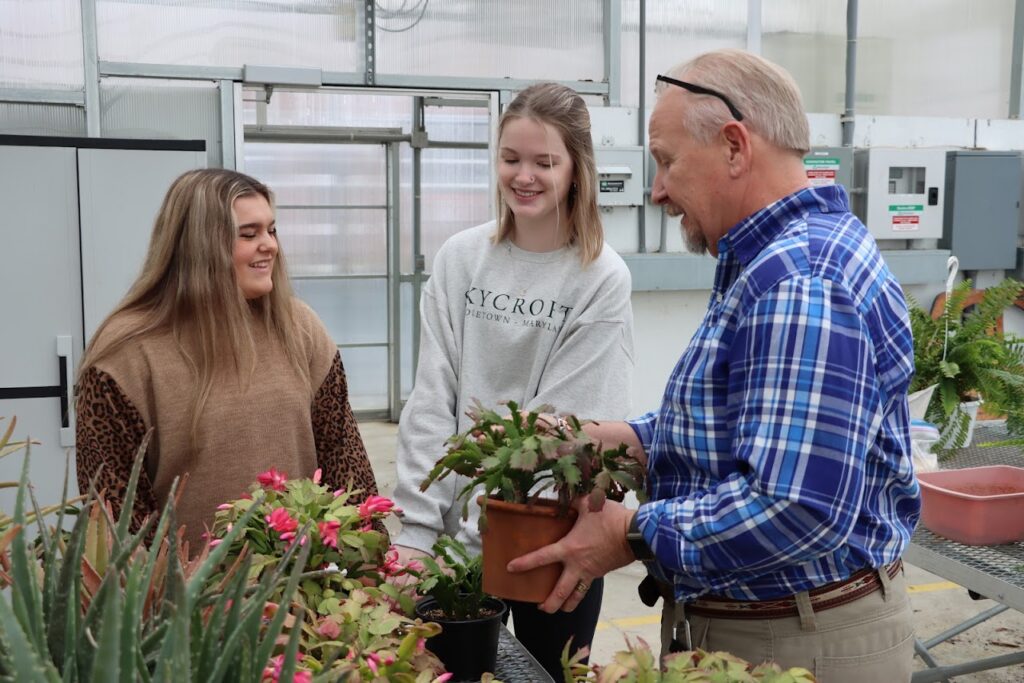
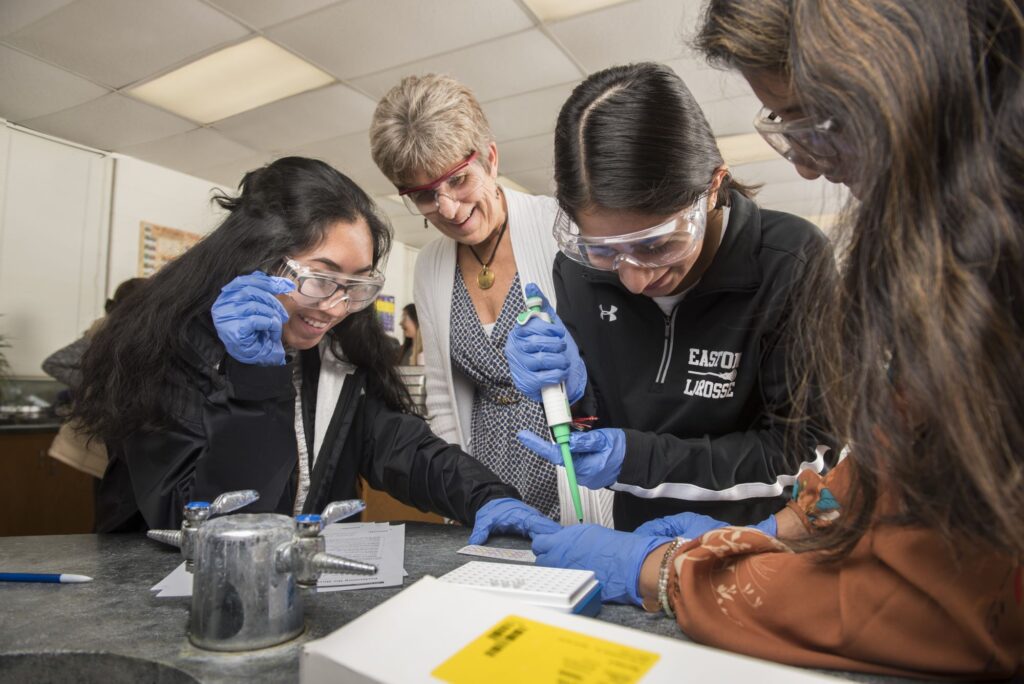
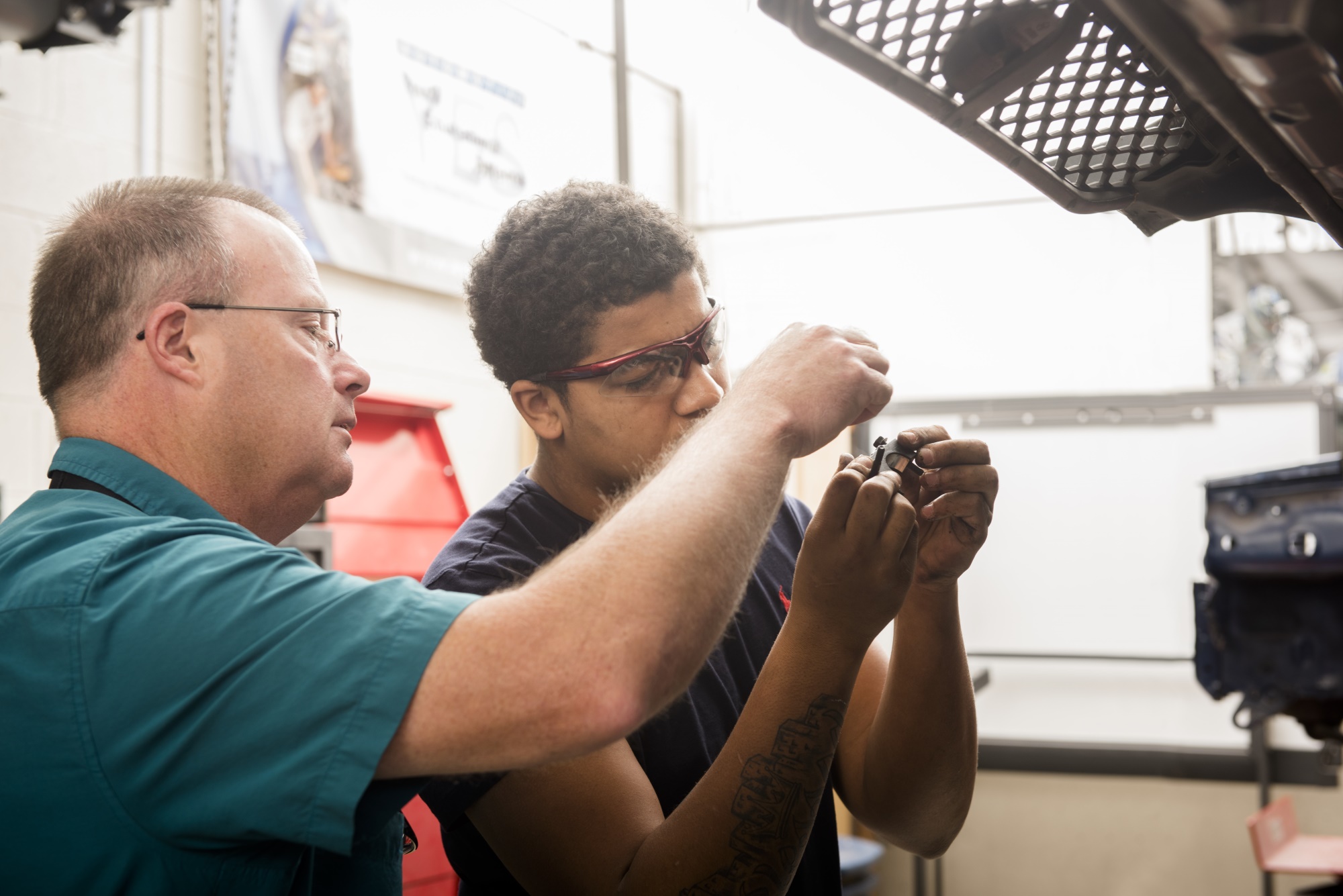
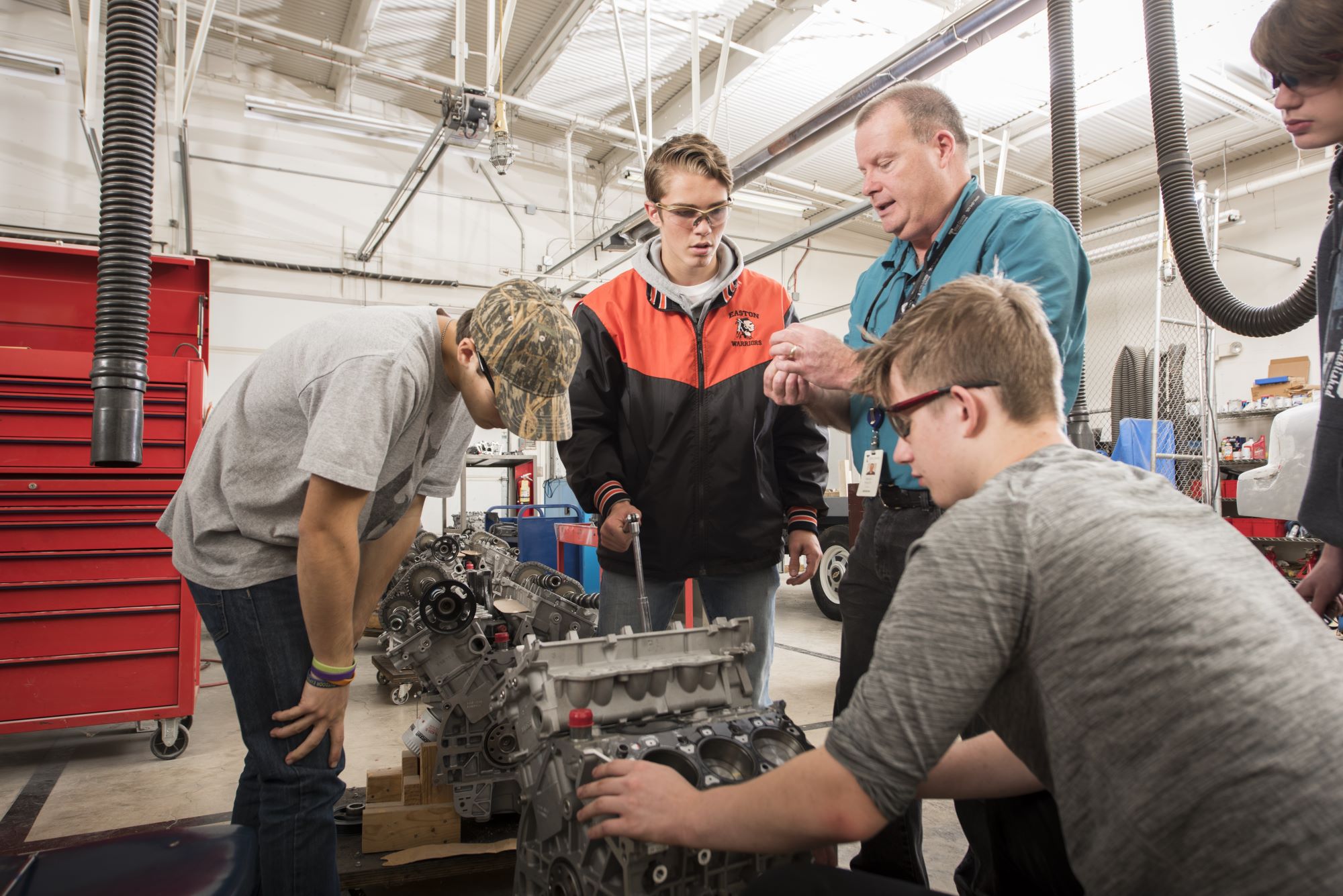
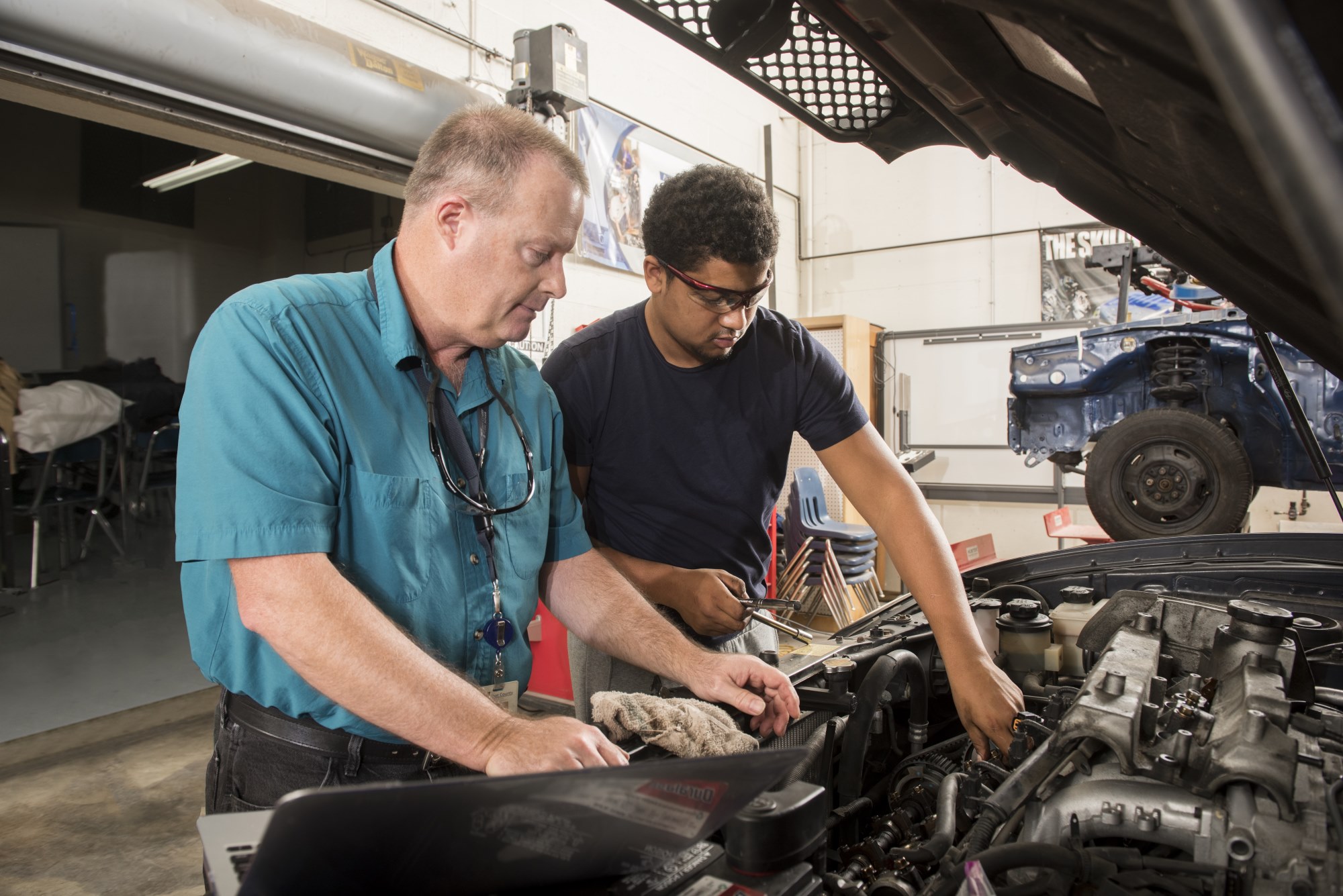
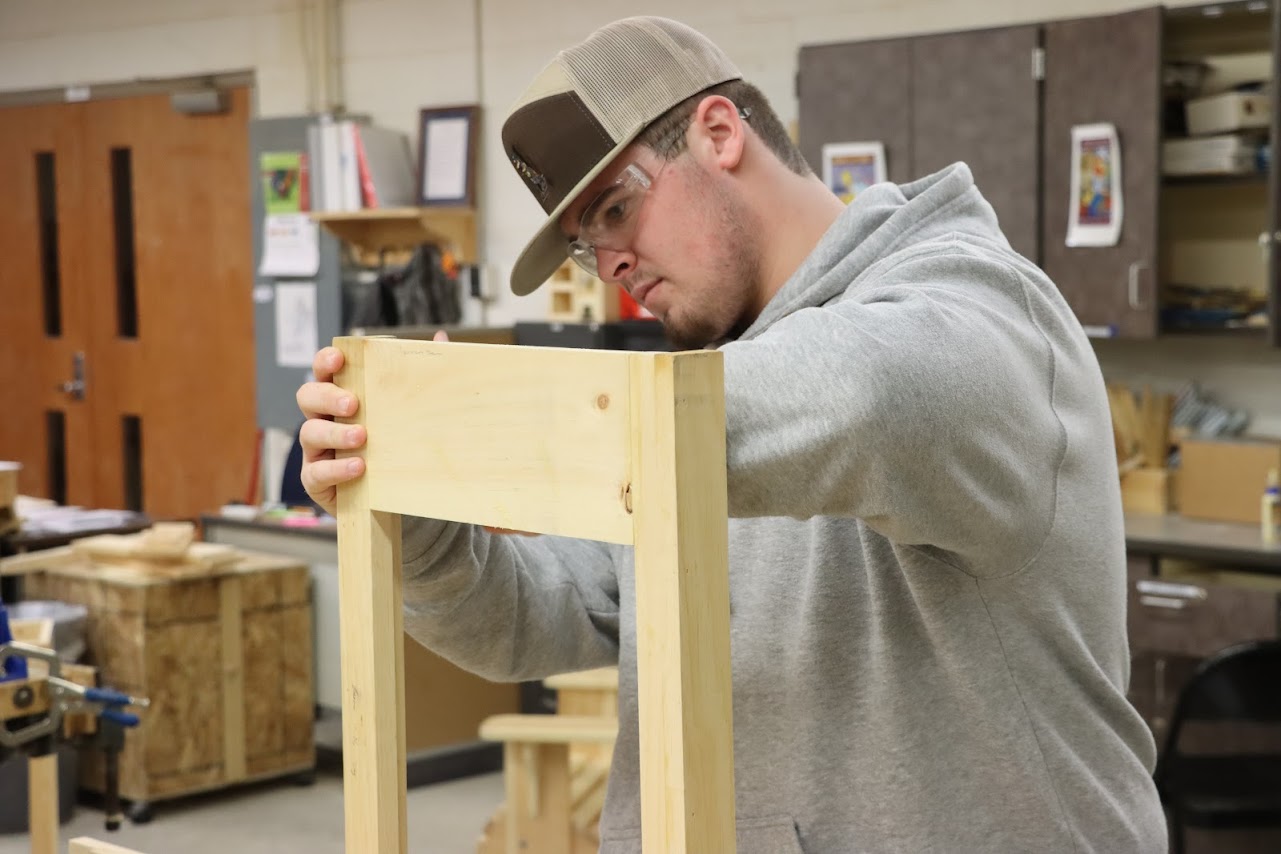
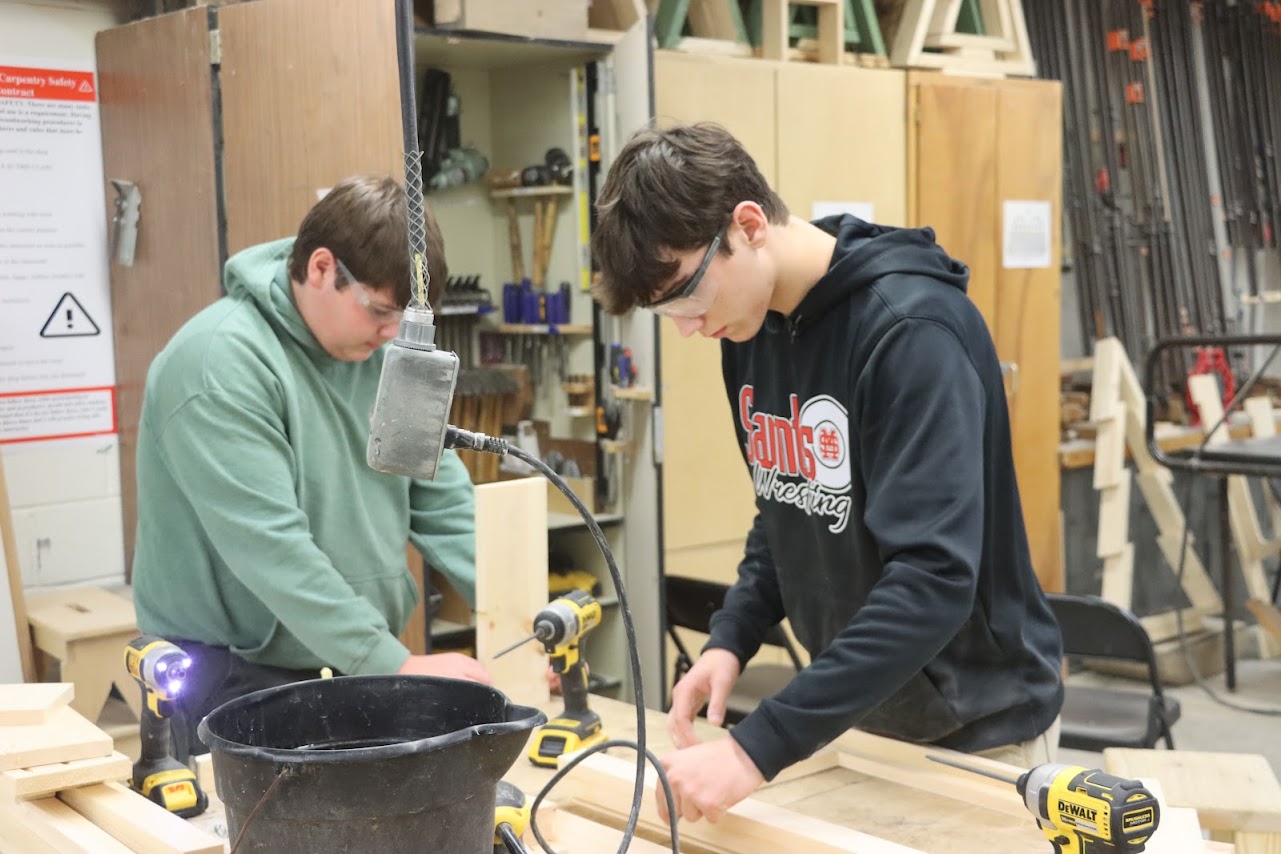
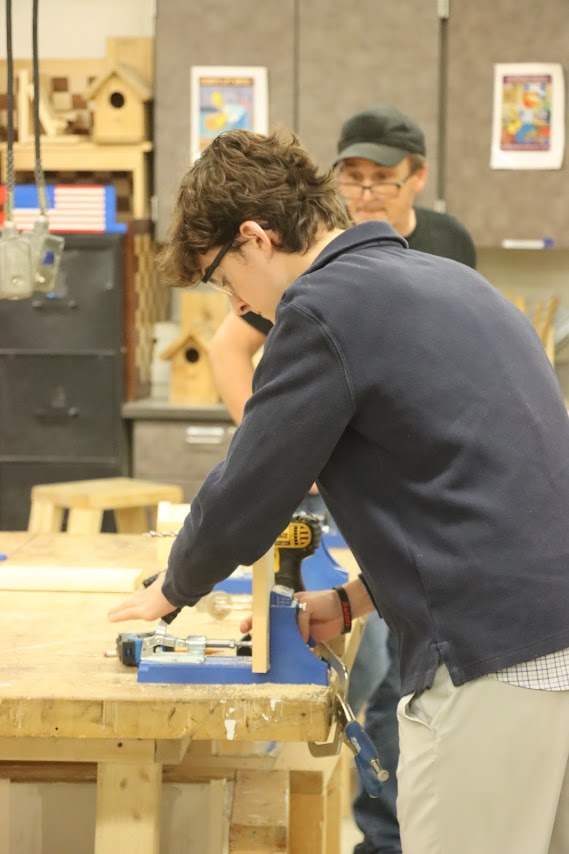
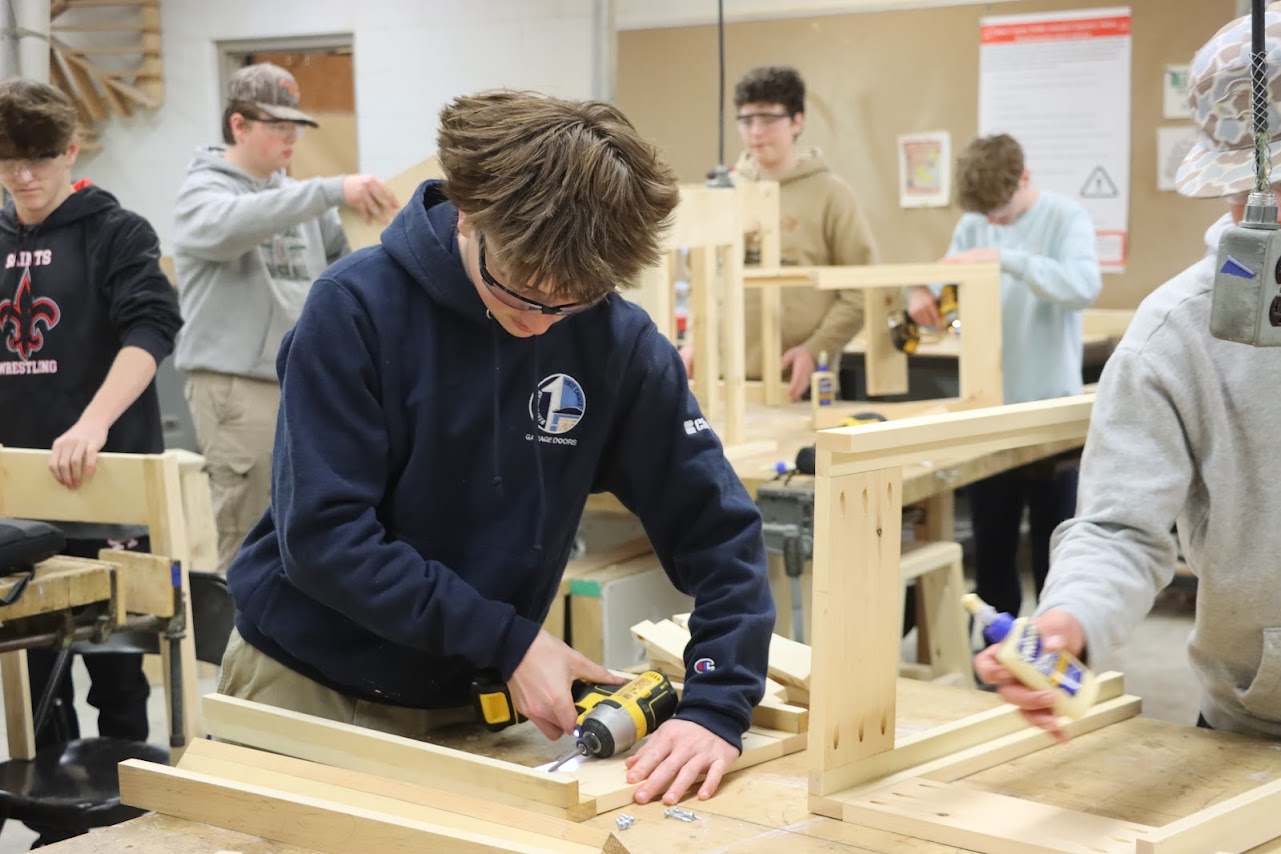
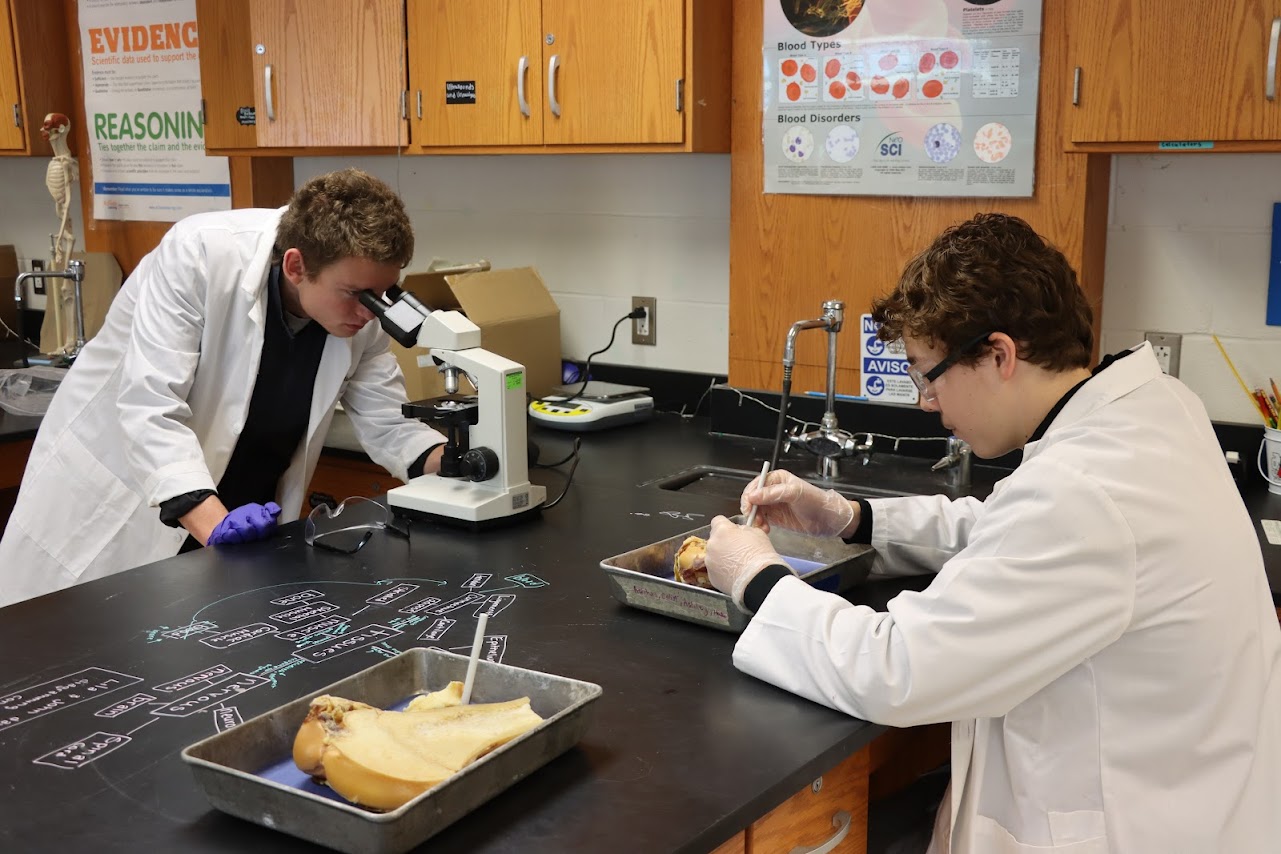
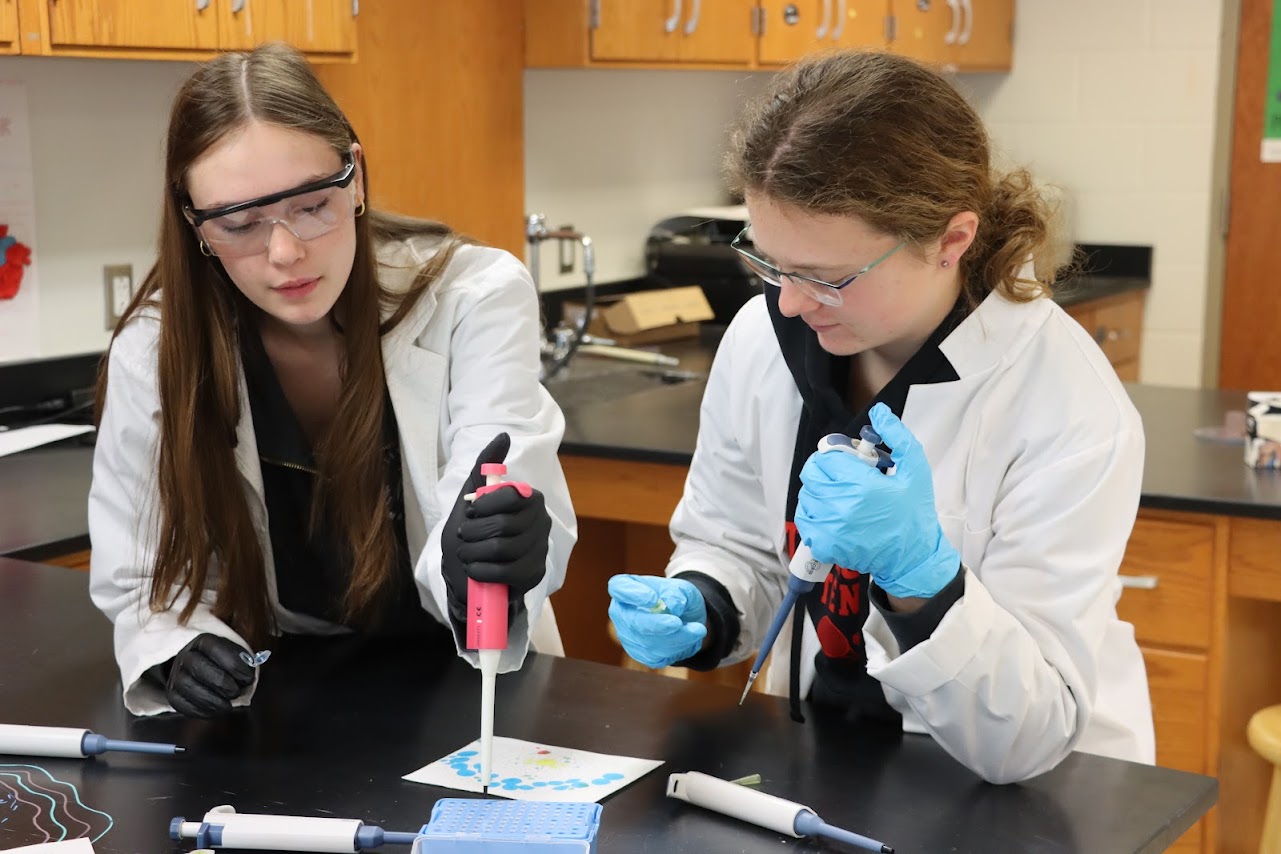
That flexibility is by design. With 14 programs ranging from biomedical science and nursing to carpentry, automotive technology, business marketing, graphic design, and teacher academy, Talbot County’s CTE program is built for discovery, not premature decisions. Some pathways begin as early as ninth grade. Others programs start later because age, prerequisites, or safety requirements demand it.
Photo Courtesy Talbot County Public Schools
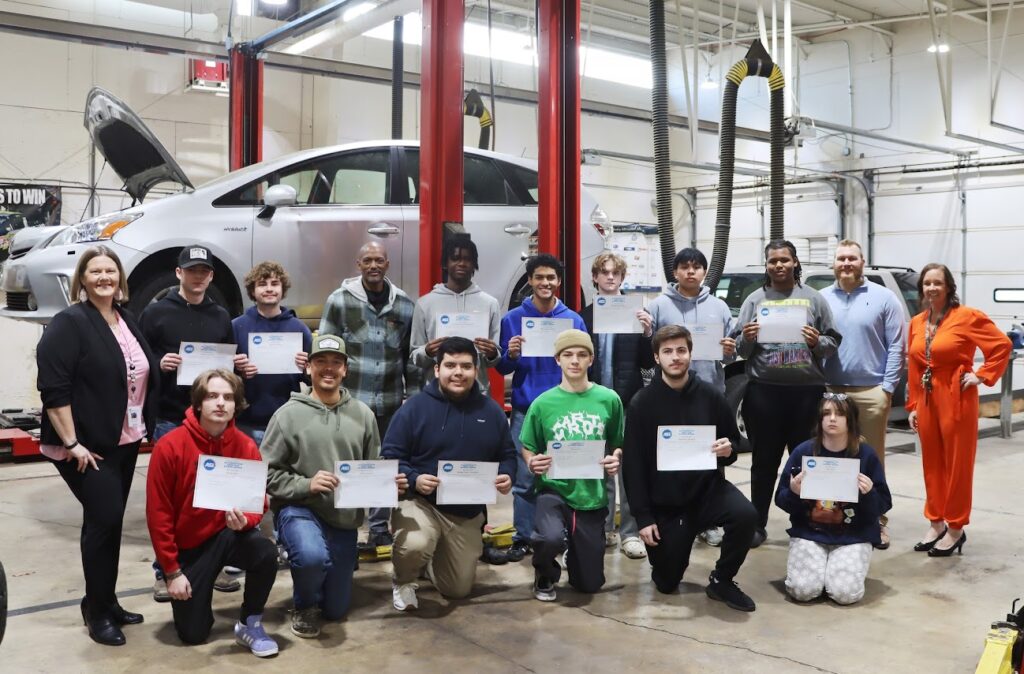
The result is participation at scale. “We say every one of our students is a CTE student,” Dr. Burkhardt explains, noting that Tech Ed is a graduation requirement and that nearly all 1,500 Talbot County high school students take at least one CTE course during their academic career. Each year, roughly 120 to 150 students complete a full three- or four-course CTE pathway.
But completion isn’t the goal. Relevance is.
“We want to make sure each of our CTE programs has an industry-recognized credential,” Dr. Burkhardt says. “That makes students more marketable while they’re still in school and after they graduate.”
That emphasis on credentials reflects a broader shift. CTE is no longer just about learning how to do something. It’s about proving you can do it to an employer who understands the value.
Those employers are deeply embedded in the program. Through internships and paid apprenticeships coordinated by a dedicated School-to-Career Specialist, students earn graduation credit while gaining real-world experience. Some leave school early to report directly to job sites. Others engage through career fairs, guest lectures, and classroom partnerships that expose them to the full range of roles inside a single organization.
“Sometimes students have a very narrow view of what happens in a business,” Dr. Burkhardt says. “Being able to see the number of jobs at a place like Easton Utilities or Shore Regional Health—from entry point all the way up—helps students understand what’s possible.”
Career counseling makes that exposure purposeful. In Talbot County, it begins in sixth grade.
“I just want to open our kids’ eyes to what’s possible,” Dr. Burkhardt says. “As a kid myself, I chose education because it was what I knew. I want our students to know what else is out there.”
That philosophy reflects the reality students are stepping into. Careers are rarely linear, and Dr. Burkhardt is candid about that shift.
“There’s not this straight path anymore,” she says. “People move. They switch. So the question becomes: what skills are you developing that you can carry with you, no matter where you land in life?”
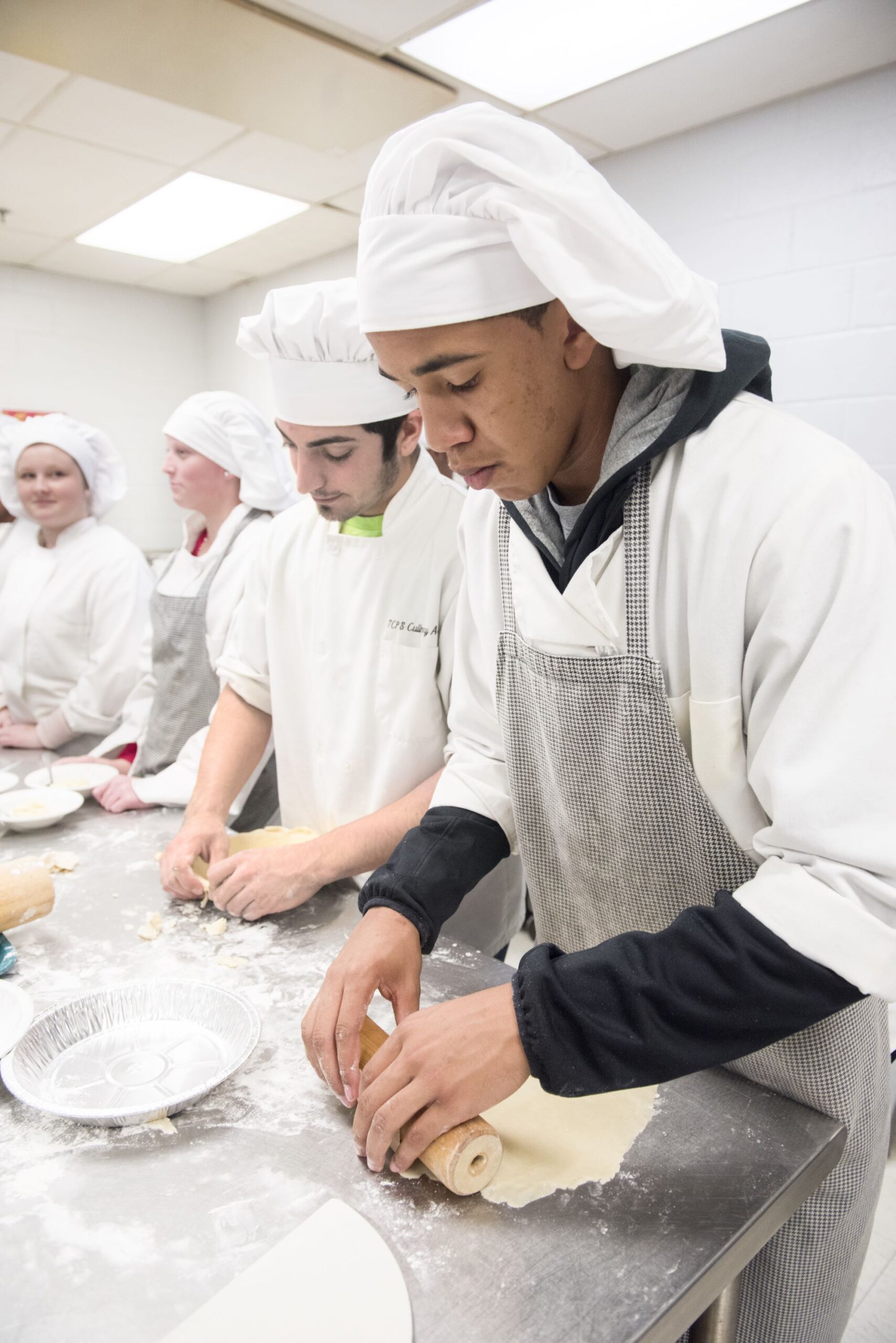
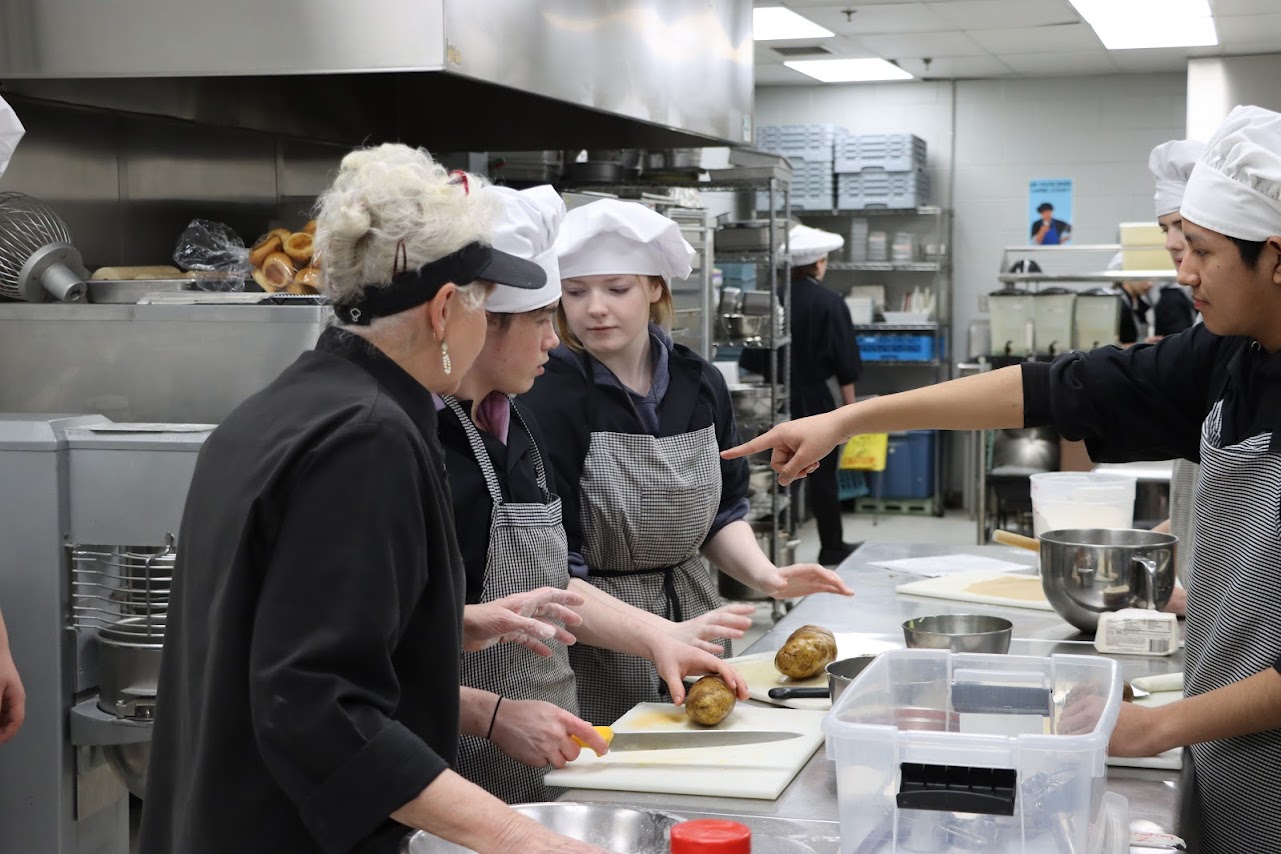
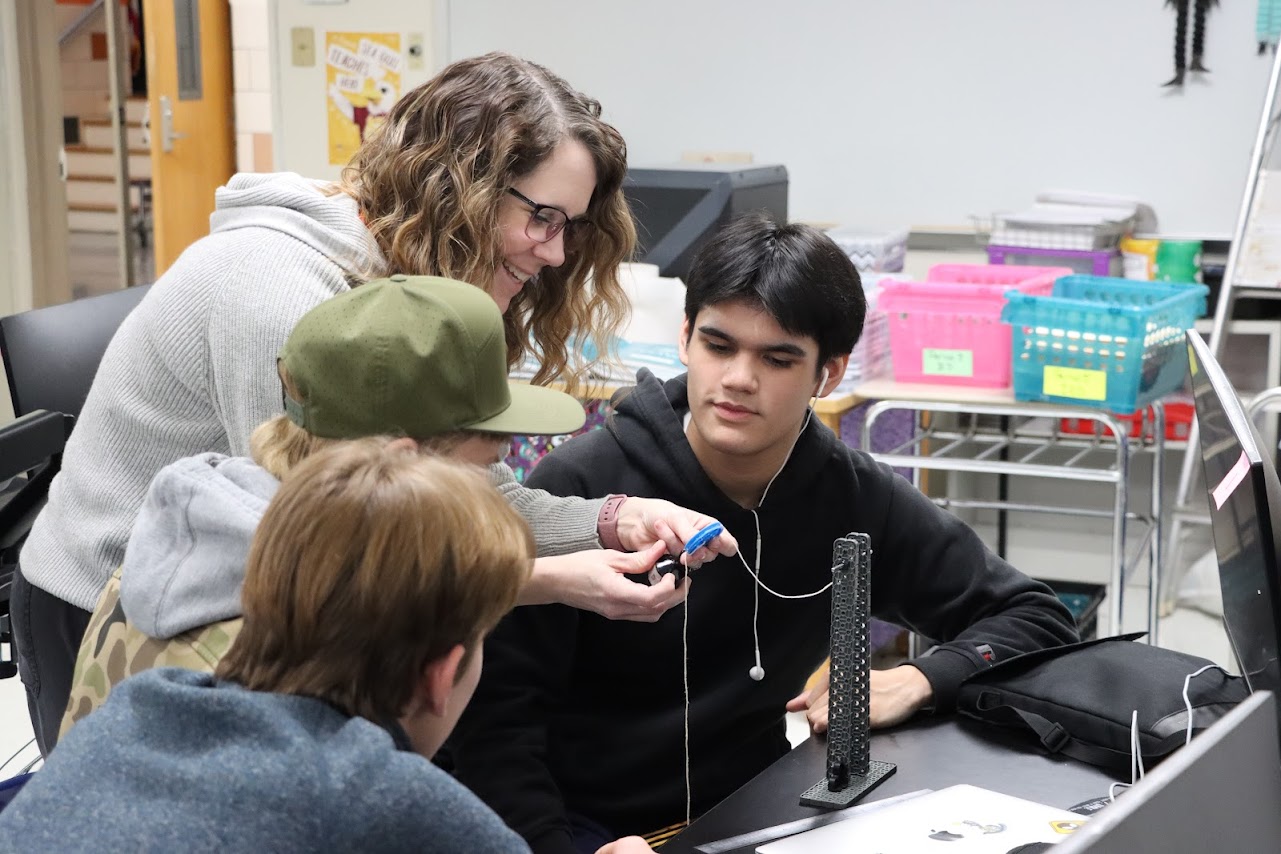
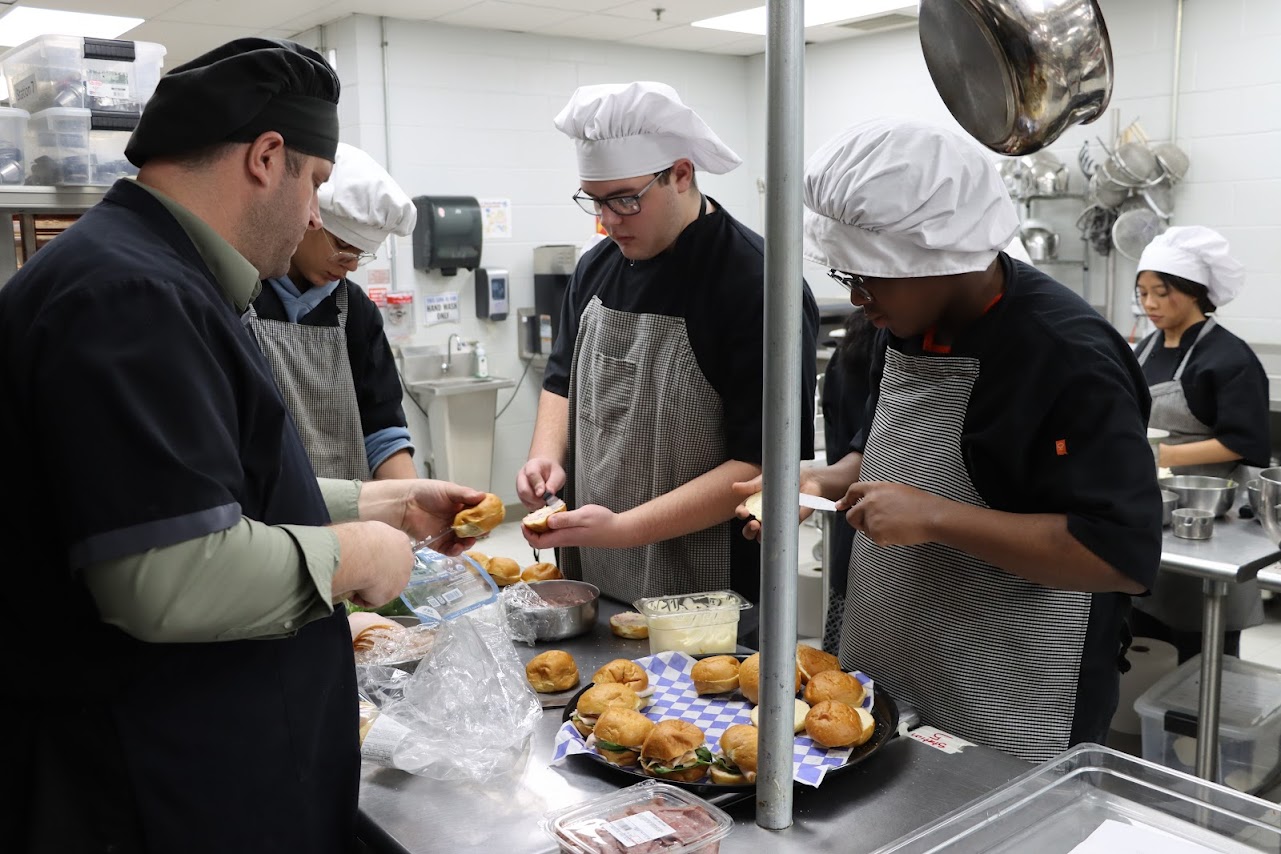
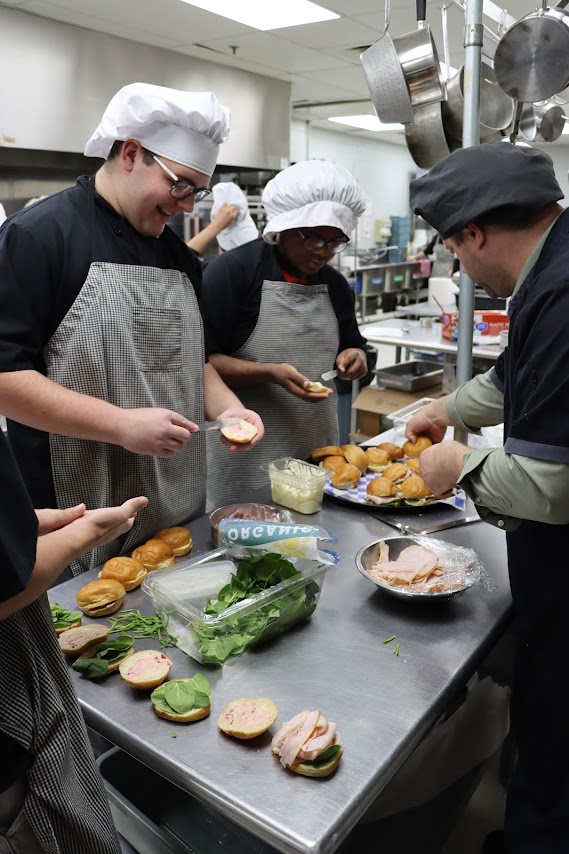
CTE, she argues, is uniquely suited to answer that question. A culinary course builds far more than cooking skills. Business courses teach communication and financial thinking. Engineering and technology develop problem-solving and systems awareness. Even when students don’t pursue the field they studied, they leave with competencies that travel with them.
Equity is part of the design as well. Talbot County has piloted co-taught CTE courses for multilingual learners and is expanding targeted support through federal Perkins funding.
“One of my concerns is students starting a pathway and not persisting because the support isn’t there,” Dr. Burkhardt says. “So we’re asking: where do we need multilingual support so students can persist in their programs and experience success?”
The answer, as with most things in CTE, is data-driven and local.
Photo Courtesy Talbot County Public Schools
What emerges from all of this is not a program on the margins, but a system that mirrors the real world. It is flexible, skills-based, connected to employers, and honest about change.
CTE in Talbot County is no longer about limiting choices. As Dr. Burkhardt puts it, it’s about helping students“develop skills and explore who they are”—before the cost of figuring it out becomes too high.
Career and Technical Education Month® is a public awareness campaign, hosted by ACTE and sponsored by National Association of Home Builders, that takes place each February to celebrate CTE, the accomplishments of CTE programs and the importance of CTE for all students of all ages. We encourage you to use these resources below to help generate positive awareness of CTE!
More Photos – Talbot County Public Schools’ CTE Students at Work
You can learn more about Talbot County Public Schools’ CTE programs here. (Many photos provided courtesy of Talbot County Public Schools)
Photo Courtesy Talbot County Public Schools
About Talbot County Department of Economic Development and Tourism
The Talbot County Department of Economic Development and Tourism’s mission is to enhance and promote a business-friendly environment for current and prospective enterprises and to advocate for policies that support and strengthen the economic vitality of Talbot County. The department’s vision for Talbot County is built on the principles of strong communities, empowered businesses, and innovative solutions.
Never Miss Talbot County Business News: Subscribe to the Talbot Works newsletter here.
Wait! Before You Go! Don’t forget to Explore Talbot County with us here.